Ongoing phenomenonLake Monsters
aka lake monsters · Loch Ness · Loch Ness Monster · Nessie · Champ · Ogopogo
A recurring category of report — large unknown creatures seen in deep cold-water lakes — with substantial geographic concentration in glacial-origin lakes of the northern hemisphere. The longest-running modern case is Loch Ness, Scotland (intense documentation from 1933 to present); the earliest is Lake Champlain (Samuel de Champlain's 1609 journal entry); Ogopogo of Lake Okanagan, British Columbia, has reports continuous from 1860.
What's documented
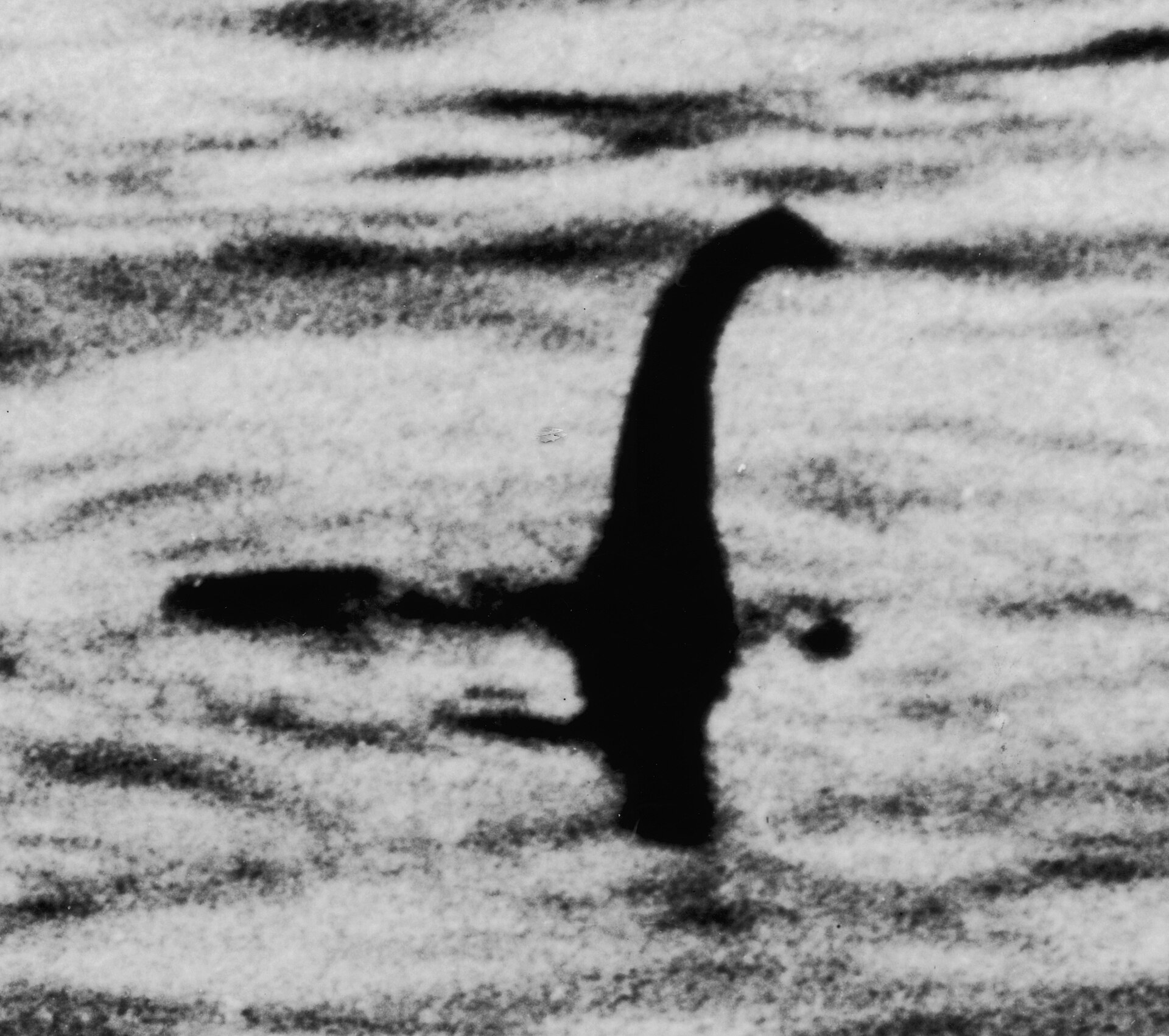
A category of cryptid report defined by setting (deep glacial-origin lakes with thermoclines that can hide large objects from sonar in certain configurations), morphology (long-necked, multi-humped, or eel-like figures of estimated 5–15 meters length), and longevity (multi-century report continuity in specific lakes). The three most-documented cases: (1) Loch Ness, Scotland — modern wave begins 14 April 1933 with the John Mackay sighting and 12 November 1933 Hugh Gray photograph; intensified by the 21 April 1934 “surgeon’s photograph” by R. K. Wilson (which the photographer’s stepson, Christian Spurling, confessed in 1994 was a hoax involving a toy submarine, though the confession itself has been contested). Multiple subsequent organized searches: Loch Ness Bureau 1962–72, Operation Deepscan 1987 (a fleet of 24 boats with sonar that recorded several unexplained mid-water contacts), and Neil Gemmell’s 2018–19 University of Otago environmental-DNA survey which found no large reptile DNA but unusual concentrations of eel DNA. (2) Lake Champlain, Vermont/New York/Quebec — Samuel de Champlain’s journal of 1609 records a creature “as large as a barrel and as long as a moose’s horn,” though the passage’s authenticity is now disputed by some historians as a later interpolation; reports continuous from the 1880s; Sandra Mansi’s 5 July 1977 photograph is the best-known modern image. (3) Lake Okanagan, BC — Ogopogo, reports continuous from Syilx First Nations oral tradition through 19th-century settler accounts (“N’ha-a-itk”) and into the 20th century. The cold-water acoustic-anomaly explanation accounts for some sonar contacts; the consistent multi-century witness pattern in lakes with prior indigenous-tradition naming is the residual that does not collapse easily.