Disclosure eventWikiLeaks Vault 7 — UAP document fragment (March 2017)
aka Vault 7 UFO emails · WikiLeaks CIA UAP fragment
The 7 March 2017 WikiLeaks release of "Vault 7," comprising approximately 8,761 documents on CIA hacking tools, included a small set of documents tangential to UAP material — most notably a brief email exchange referencing UFO content. The UAP-relevant material is limited but is on the public record.

What's documented
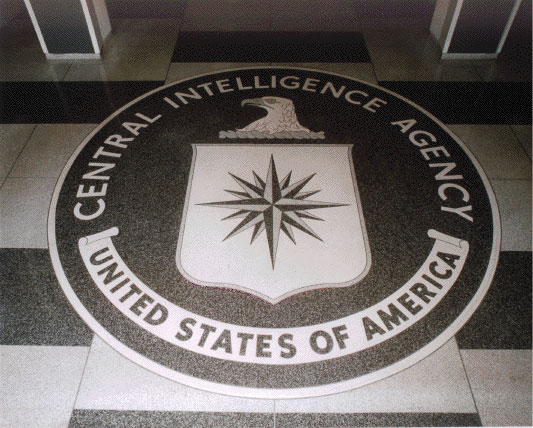
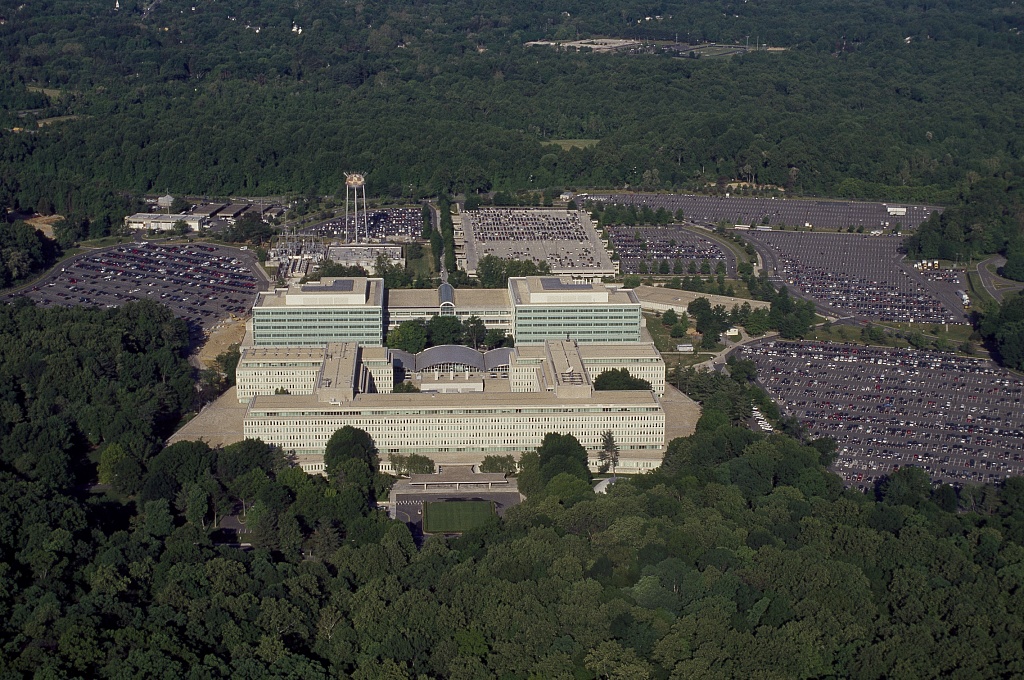
On 7 March 2017, WikiLeaks released the first tranche of what it called “Vault 7” — a corpus of approximately 8,761 documents and files from what WikiLeaks described as the CIA’s Center for Cyber Intelligence in Langley, Virginia. The bulk of the leak concerned cyber-exploitation tools targeting smartphones, smart televisions, and computer operating systems. The source — later identified by the U.S. Department of Justice as former CIA software engineer Joshua Schulte, convicted on 13 July 2022 and sentenced to 40 years in 2024 — was not a UAP-disclosure leaker; the inclusion of UAP-tangential material was incidental to the larger leak.
Two specific items within Vault 7 attracted attention from UAP researchers. First, an email thread within the leaked archive referenced a 2014 internal exchange about the WikiLeaks-hosted “CIA UFO Files” — a separate, much older corpus of declassified CIA documents (1949–1976) that the agency had previously released via FOIA and that WikiLeaks had been mirroring. The Vault 7 email fragment showed that CIA cyber-intelligence personnel had been internally tracking WikiLeaks’ UFO-page traffic. Second, a small set of file metadata references to a directory tagged “UFO” was observable in the archive structure, though the directory contents themselves were not present in the released tranche.
What Vault 7 does not contain is any documentary evidence of active CIA programs concerning recovered craft or non-human biological material. What it does establish, on the record, is that the CIA’s cyber-intelligence component, in the 2014 timeframe, was internally aware of and monitoring public UFO-related content in the broader leaks ecosystem. The Vault 7 UAP fragment is modest; it is also documented and verifiable, and is included in the disclosure-cycle chronology for completeness rather than for its evidentiary weight.
Notable & intriguing
-
The Vault 7 release of 7 March 2017 comprised approximately 8,761 documents and files from the CIA's Center for Cyber Intelligence; the U.S. Department of Justice identified the source as former CIA software engineer Joshua Adam Schulte, who was convicted on 13 July 2022 and sentenced in February 2024 to 40 years in federal prison.
WikiLeaks Vault 7 release, 7 March 2017; *United States v. Joshua Adam Schulte*, S.D.N.Y., conviction 13 July 2022, sentencing 1 February 2024
-
Within the Vault 7 archive, researchers including Heather Wade (Midnight in the Desert radio program) identified an internal CIA email exchange concerning the WikiLeaks-hosted "CIA UFO Files" page traffic — a separate corpus of older FOIA-released material that WikiLeaks was mirroring; the fragment establishes that CIA cyber-intelligence personnel were aware of and tracking public UFO-related content in 2014.
Vault 7 archive, WikiLeaks; Heather Wade, Midnight in the Desert radio, March 2017
-
The Vault 7 corpus does not contain documentary evidence of any active CIA program concerning recovered craft or non-human biological material; its inclusion in UAP-disclosure timelines is for completeness rather than for substantive evidentiary content.
Vault 7 archive content survey, *The Black Vault* (John Greenewald Jr.), March 2017