Dyatlov Pass
61°45′44″N, 59°27′32″E — Northern Urals, Sverdlovsk Oblast, Russia — eastern slope of Kholat Syakhl ('Dead Mountain')
What's documented
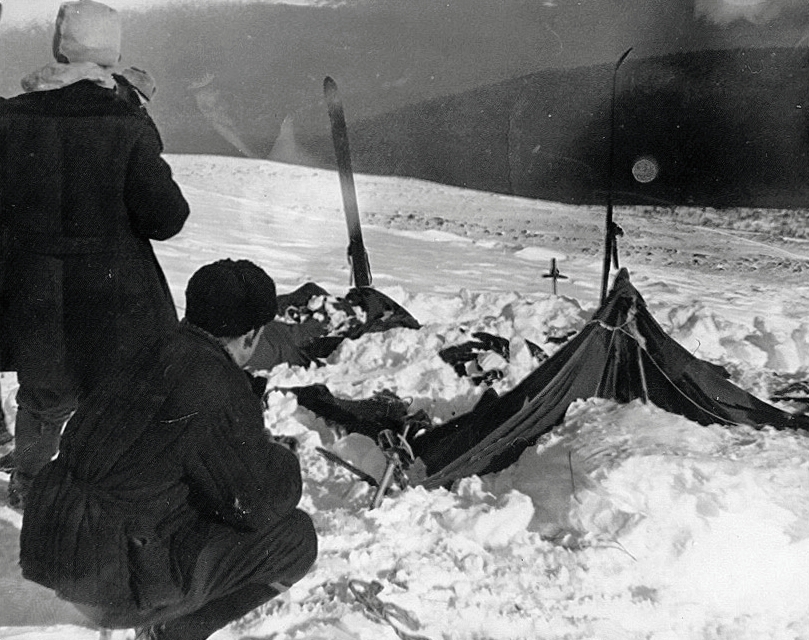
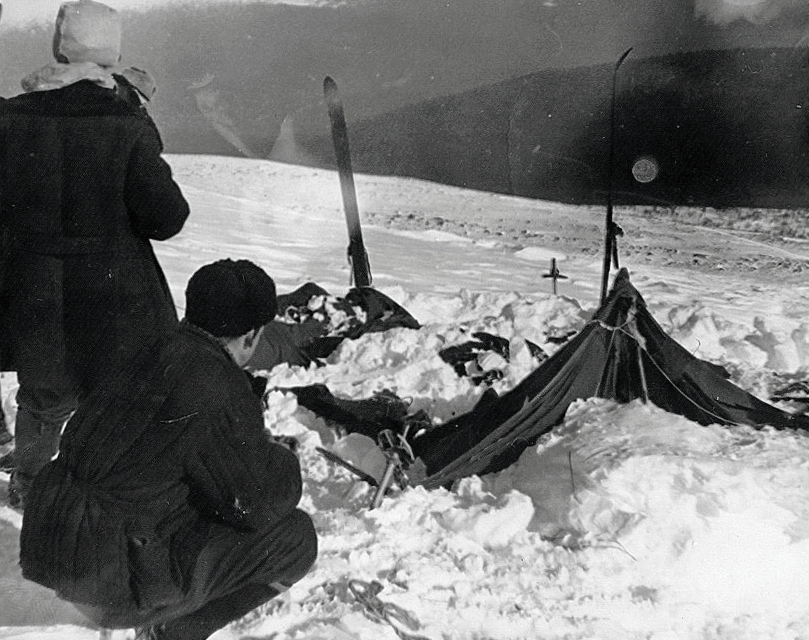
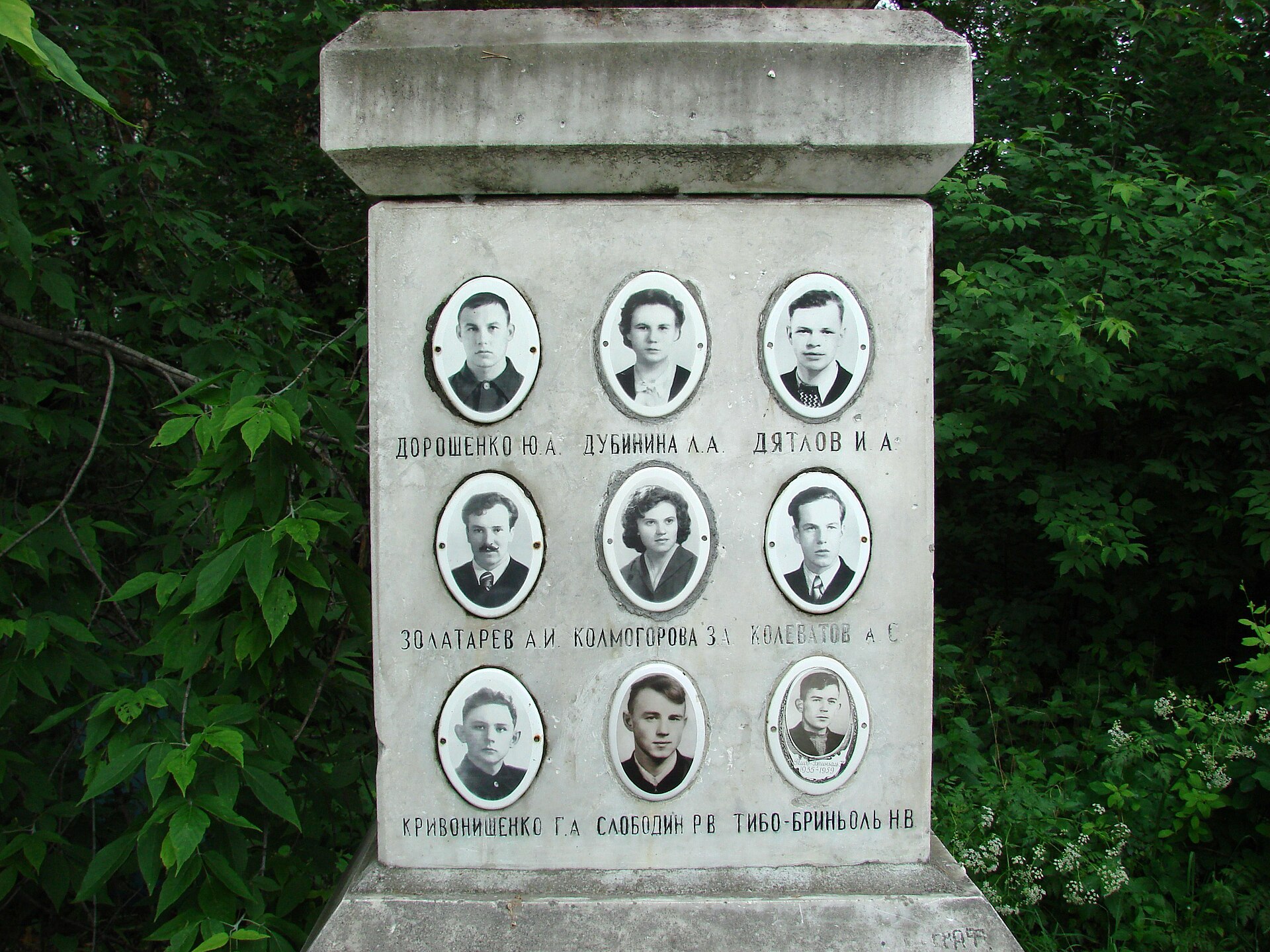
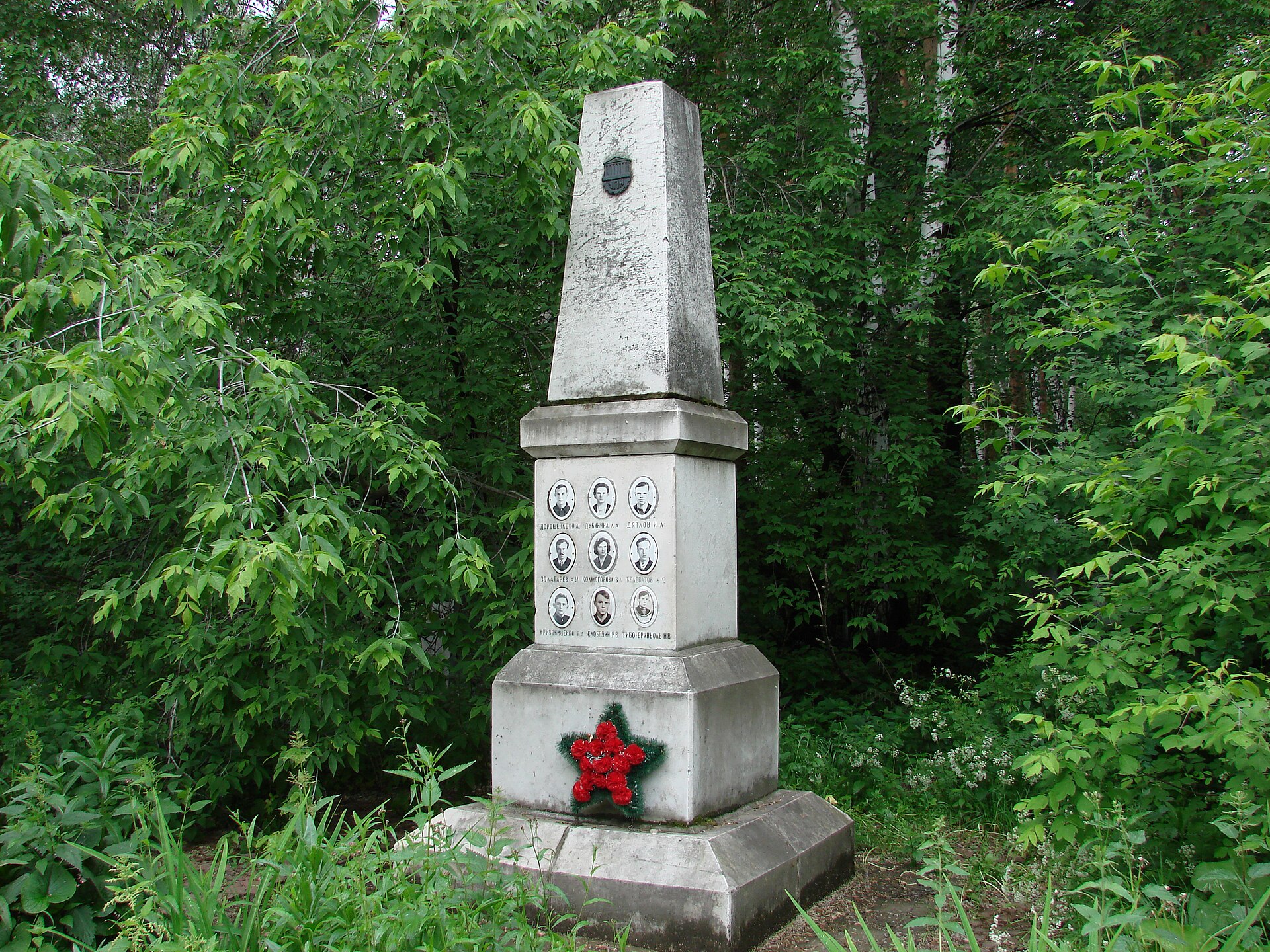
Dyatlov Pass is a saddle in the northern Ural Mountains, near the mountain Kholat Syakhl (Mansi for "Dead Mountain"). The pass is named for hike-leader Igor Dyatlov, who led a group of nine experienced cross-country ski hikers from the Ural Polytechnic Institute on a 1959 expedition. On the night of 1-2 February 1959, the group cut their tent open from the inside and fled down-slope without outer clothing. All nine were found dead within 1.5 km of the tent over the following weeks. The case was officially closed in 1959, reopened by Russian prosecutors in 2019, and partially re-closed in 2020.
Notable & intriguing
-
On the night of 1-2 February 1959, nine experienced hikers cut their tent open from the inside near Kholat Syakhl in the northern Urals, fled into snow at approximately -25°C without shoes or outer clothing, and were found dead within 1.5 km of the tent over the following weeks.
Sverdlovsk Oblast Prosecutor's investigation file, 1959 (declassified ~1990)
-
Forensic examination found two of the victims with crushed chests comparable to severe automobile-accident injuries, but with no external bruising. Lyudmila Dubinina was missing her tongue, eyes, and parts of her face; Semyon Zolotaryov was missing his eyes; Aleksandr Kolevatov was missing his eyebrows. These soft-tissue losses are attributed in the 2020 reopened-case finding to scavengers and prolonged water immersion.
Sverdlovsk Oblast Forensic Bureau autopsy reports, March-May 1959
-
The Soviet case was closed in May 1959 with the cause given as 'compelling natural force.' Russian prosecutors reopened the case in February 2019. The final conclusion announced 11 July 2020 attributed the deaths to an avalanche-and-slab event followed by hypothermia; this hypothesis remains disputed, particularly by Dyatlov Foundation researchers who note the slope angle (~20°) is below conventional avalanche thresholds.
Russian Prosecutor General's Office statement, 11 July 2020
-
Radiometric examination of victim clothing revealed beta radiation contamination on two garments (Kolevatov's sweater; Dubinina's sweater). No conventional explanation has been offered; possibilities include contamination from radium-painted instruments or upper-atmosphere fallout from contemporaneous Soviet nuclear testing.
Sverdlovsk forensic radiometric report, 27 May 1959 (part of original case file)
Public-record imagery