Yamashita Treasure Tunnels, Philippines
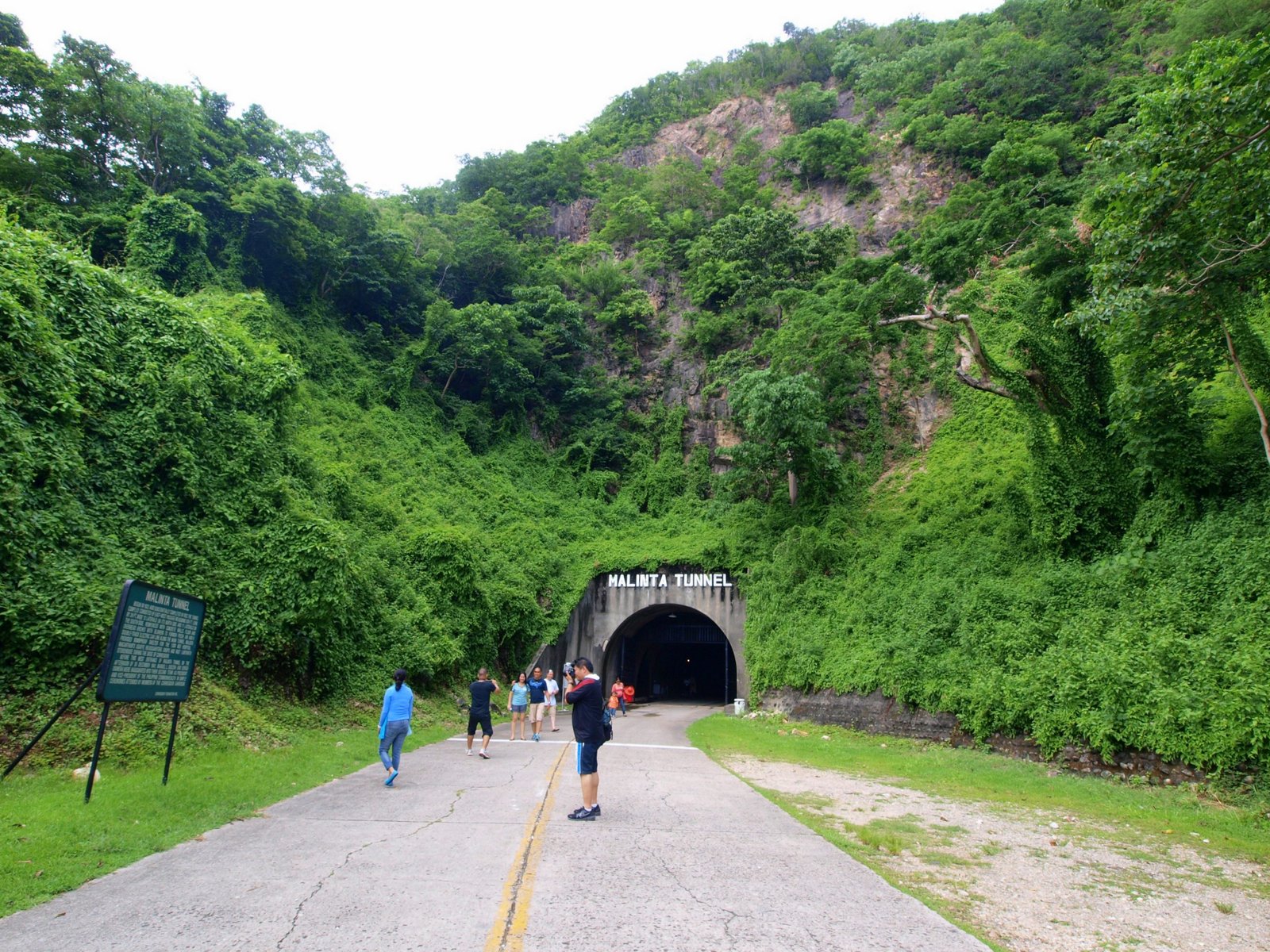
14°35′N, 121°00′E — Multiple sites across Luzon, Philippines — alleged WWII Imperial Japanese gold-cache tunnel complexes
What's documented
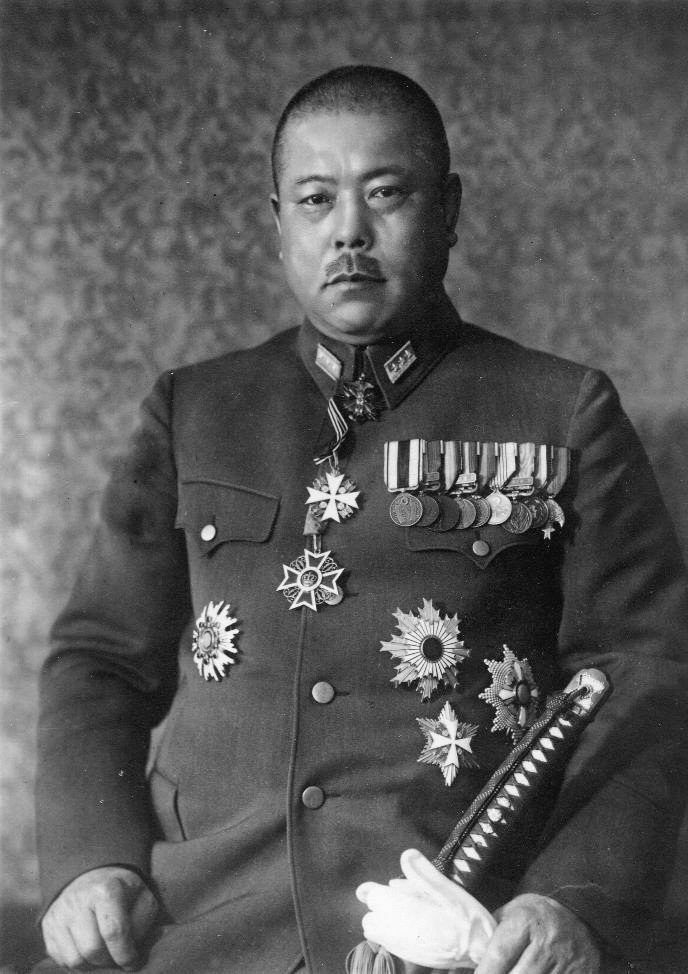
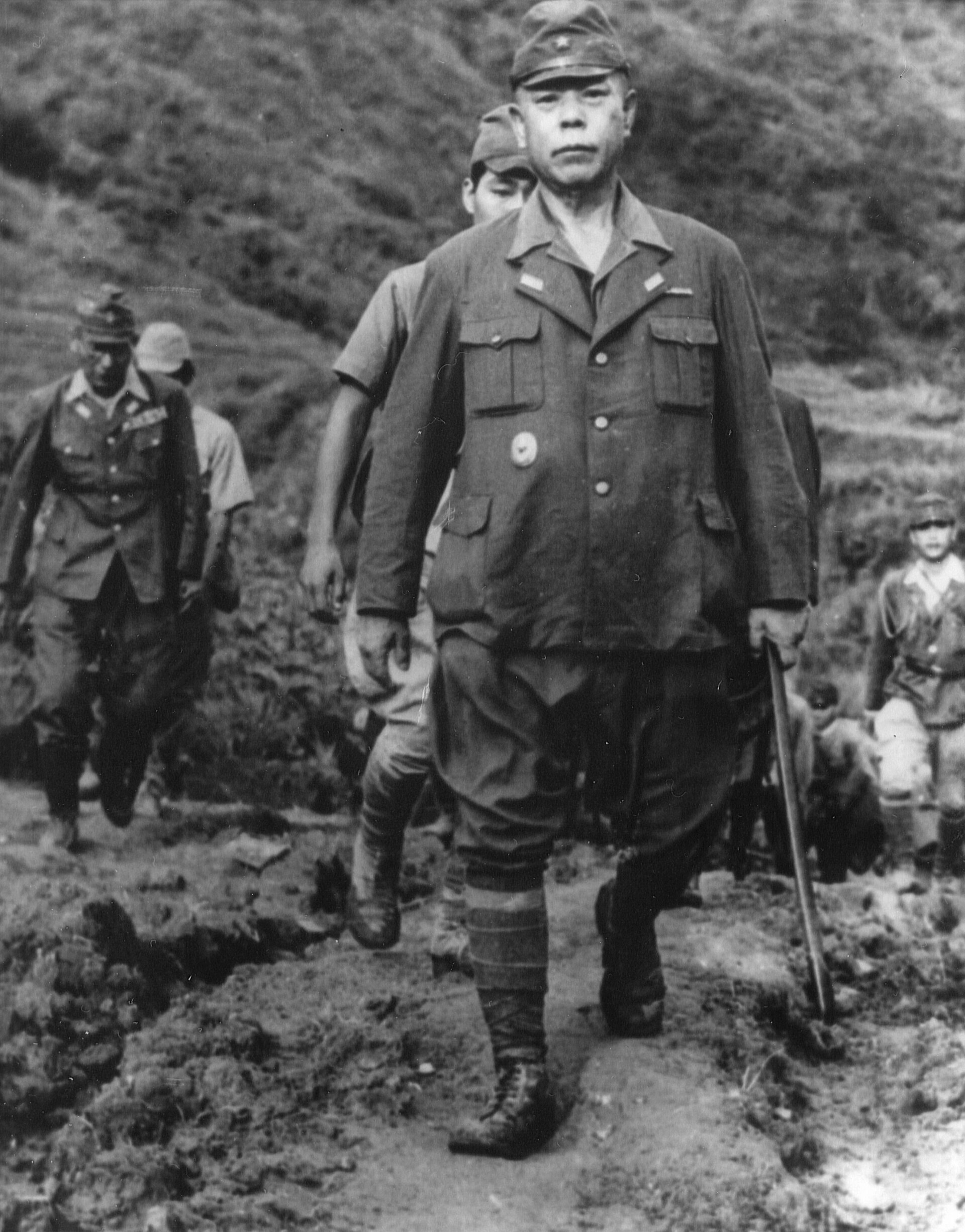
"Yamashita's Gold" is the popular name for an alleged hoard of gold and looted treasures hidden in caves and tunnels across the Philippines (and to a lesser extent across Southeast Asia) by Imperial Japanese forces under General Tomoyuki Yamashita during the Second World War. The Filipino treasure-hunting industry has documented some 175 named tunnel complexes. Whether large quantities of gold actually exist at these sites remains historically disputed; the U.S. Government has on multiple occasions taken the matter seriously enough to act.
Notable & intriguing
-
In Roxas v. Marcos (1996), the Philippines Supreme Court awarded plaintiff Roger Roxas $22 billion in damages from the estate of Ferdinand Marcos for the 1971 seizure of a 1-ton gold Buddha and associated bullion Roxas had recovered from a tunnel in Baguio. The court accepted as factual that Roxas had recovered Yamashita gold.
Roxas v. Marcos, Philippines Supreme Court, G.R. No. 116105, 22 May 1996
-
Sterling and Peggy Seagrave's 'Gold Warriors' (2003) documents — with primary-source memos — Operation Golden Lily, the alleged Imperial Japanese program for systematic looting of occupied Asia; and the alleged U.S. recovery and laundering of recovered gold under the M-Fund and 'Black Eagle Trust.' The Seagraves deposited 60,000 pages of supporting documents in escrow with several universities.
Seagrave, 'Gold Warriors' (Verso, 2003)
-
On at least one documented occasion (Cabanatuan, 1971), Philippine treasure hunters opening a tunnel at a Yamashita site triggered booby traps, killing multiple workers. Tunnel-collapse and gas-asphyxiation deaths during Yamashita expeditions are a continuing public-record phenomenon.
Manila Times, 1971-2010 coverage; Philippines Department of Labor industrial-accident records
Public-record imagery