NASA UAP Independent Study Team Report apparatus-event
NASA's first official, scientific look at UAP: an independent 16-member
panel chaired by astrophysicist David Spergel, commissioned in mid-2022
and delivering its public report on 14 September 2023. It found no
evidence that UAP are extraterrestrial, concluded the existing data is too
poor to draw firm conclusions, and called on NASA to apply its
scientific and sensor expertise and to destigmatize the field. NASA
simultaneously named a Director of UAP Research.
This was the first time NASA — a civilian science agency, not a
defense/intelligence body — formally engaged the UAP question, lending
mainstream scientific legitimacy to a long-stigmatized topic. Its core
framing, "bad data, not aliens," set the scientific counterweight to the
same-summer Grusch "non-human" claims, and it defines one of the two poles
of the 2023 disclosure moment: the science-and-data track, as against the
legislative-disclosure track of the Schumer-Rounds act. It is the corpus's
reference for the demand that the question be answered with instrumentation
rather than testimony.
Timeline
2022-06-09
NASA announces an independent study team for a ~9-month effort to
examine how the agency's scientific and data-analysis capabilities could
contribute to UAP study, working only with unclassified data — a
deliberate complement to, and separate from, the Pentagon's AARO.
primary source: NASA press release; Wikipedia
2022-10
The 16-member panel membership is announced, spanning data science,
physics, astronomy, aeronautics, and policy — including former astronaut
Scott Kelly and astrobiologist David Grinspoon.
primary source: NASA
2023-05-31
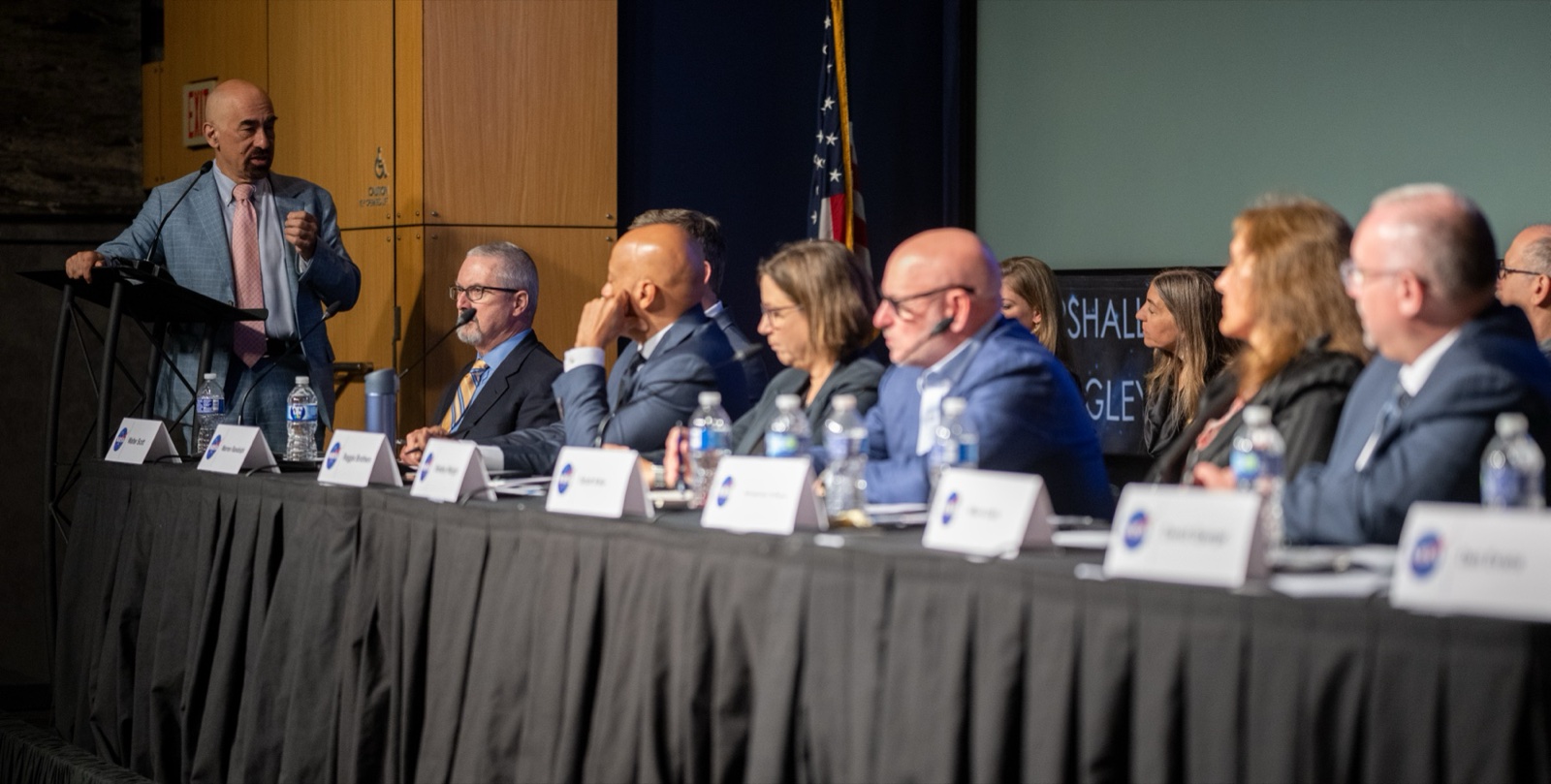
The panel's first and only public meeting: it reports that better data
is needed and flags that members have faced online harassment.
primary source: Reuters/AOL
2023-09-14
The final report is released (Release 23-106). Spergel: "We find no
evidence to suggest that UAPs are extraterrestrial in origin." NASA names
Mark McInerney Director of UAP Research the same day, after initially
withholding the name citing harassment concerns and then reversing within
hours.
witnesses: David Spergel (panel chair) · Bill Nelson (NASA Administrator)
primary source: NASA Release 23-106; SpaceNews
Named personnel
- David Spergel — Chair; astrophysicist and president of the Simons Foundation rank at time: role: the panel's scientific lead and public voice
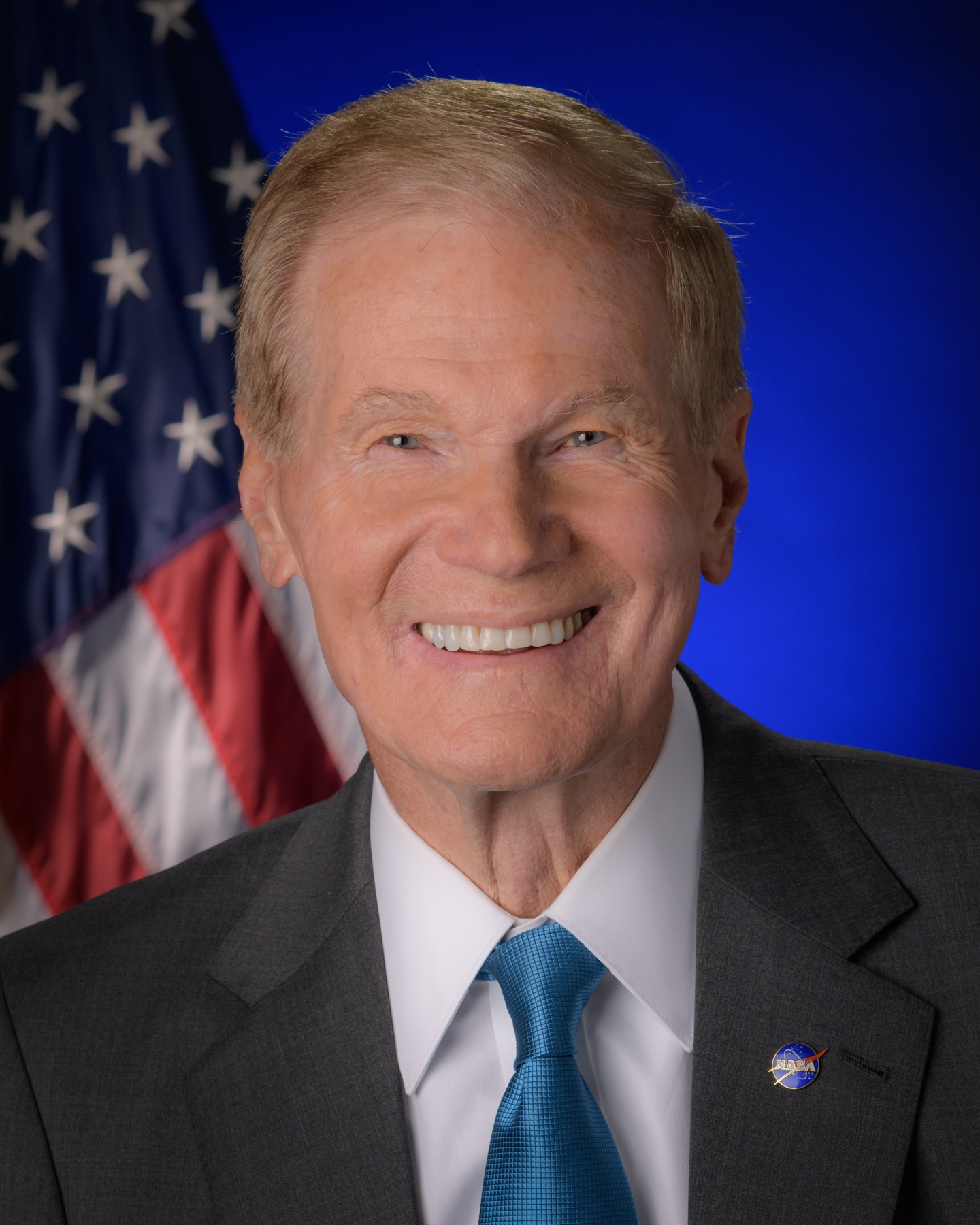
- Bill Nelson — NASA Administrator who framed the goal as shifting the conversation 'from sensationalism to science' rank at time: role: the agency leadership behind the study
- Mark McInerney — Named NASA Director of UAP Research; a prior NASA-DoD UAP liaison rank at time: role: the standing role the study produced
- Dan Evans — NASA Designated Federal Official who reported that member harassment 'rose to actual threats' rank at time: role: the official who surfaced the harassment problem
- Scott Kelly — Former NASA astronaut; one of the 16 panel members rank at time: role: the best-known name on the panel roster
Theories that invoke this case (5)
NASA's "bad data, not aliens" conclusion — most sightings explainable,
a small handful unresolved for lack of good data — is the deflationary,
data-quality reading carried out by a civilian science panel.
The report treats UAP as a heterogeneous data problem (balloons,
airborne clutter, astronomical objects, plus a small residue), not a
single phenomenon — the empirical, plural stance.
The science track of the disclosure arc: NASA's official engagement and
its call to destigmatize the field are cited as evidence the subject has
been normalized — even as the report itself finds no exotic evidence.
The report is the science apparatus formalizing its engagement: a
NASA-convened panel, a new directorate, and a recommendation to build
measurement infrastructure — the institution organizing itself around
the question.
Its entire recommendation set is about data and instruments —
satellites, calibrated sensors, AI/ML, commercial and crowdsourced
observations — i.e., the measurable-evidence program for resolving UAP.
Theories that do NOT invoke this case — and why
the panel explicitly found NO evidence of extraterrestrial origin — its conclusion is the opposite
a data-and-methodology study, not a creature record
the report's output is recommendations on data and sensors, not phenomenology
an open, unclassified scientific review, not a perception-management operation
Where further investigation has leverage
- A standing NASA UAP data program with calibrated, multi-sensor instruments producing reproducible, peer-reviewable observations — the report's own central ask.
- Integration of crowdsourced and commercial-pilot reporting at scale, with a centralized database and AI/ML triage.
- A cross-walk between NASA's unclassified scientific data and AARO's classified holdings, to apply civilian-science rigor to the cases the panel could not see.
Corpus status
apparatus-event
NASA's first official UAP study, and the science-and-data pole of the 2023
disclosure moment. It found no evidence that UAP are extraterrestrial,
located the real obstacle in poor data quality rather than exotic causes,
and recommended NASA apply its sensor and data capabilities and destigmatize
the field. Its scope was methodological and unclassified — it did not
adjudicate the classified military cases — so it answers "how to study,"
not "what they are." A measured scientific rejoinder to the same-summer
"non-human" claims, and the counterpart to the legislative Schumer-Rounds
track.
status history (1)
2026-06-09 · unannotated → apparatus-event
— annotated before the 2026-06-09 sweep; history begins at seeding
Threads of evidence
This case is one node in the connections that run across the record. It appears in 1 thread: