The Schumer-Rounds UAP Disclosure Act apparatus-event
A bipartisan amendment to the FY2024 NDAA, introduced in July 2023 by
Senate Majority Leader Chuck Schumer and Sen. Mike Rounds and modeled on
the JFK Assassination Records Collection Act of 1992. It would have created
a UAP Records Collection at the National Archives with a "presumption of
immediate disclosure," an independent presidential review board, and
federal eminent domain over recovered "technologies of unknown origin" and
"biological evidence of non-human intelligence." In the final NDAA (enacted
22 December 2023), the review board and eminent-domain powers were
stripped; only a reduced records-collection mandate survived.
It was the most ambitious UAP transparency legislation in U.S. history, and
the first time "non-human intelligence" and recovered-craft language
appeared in proposed federal statute — written by the Senate's top
Democrat. Its gutting in conference became the canonical example of how the
disclosure push stalls against the defense and intelligence committees, and
a rallying grievance for advocates. It is the legislative-disclosure pole
of the 2023 moment, opposite NASA's science-and-data track, and the corpus's
reference for the gap between what disclosure proposes and what passes.
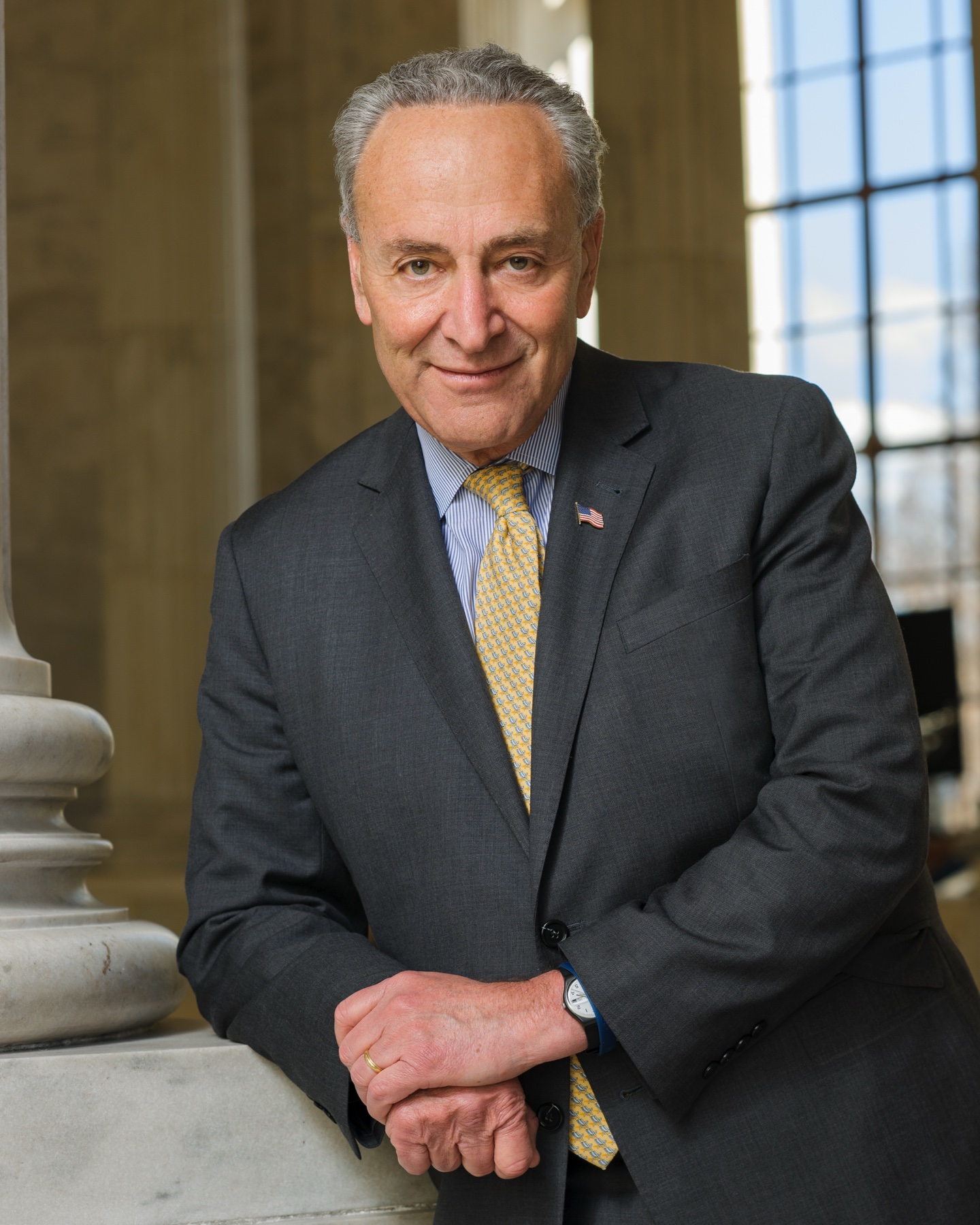
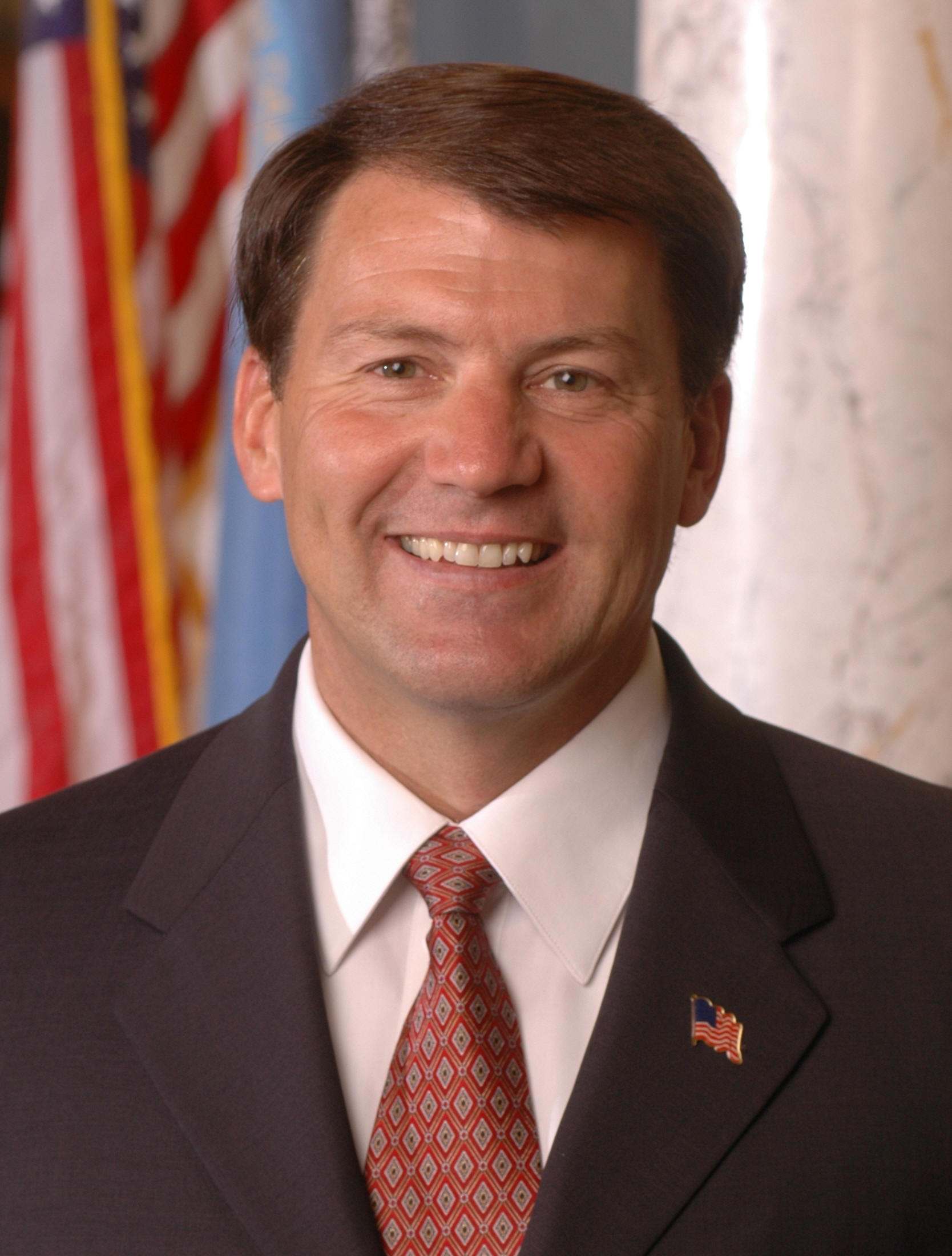
Timeline
2023-07-13
Schumer and Rounds introduce the UAP Disclosure Act as an NDAA
amendment (filed as S.Amdt.797 to S.2226), with co-sponsors Rubio,
Gillibrand, Young, and Heinrich.
Modeled on the 1992 JFK Records Act, it proposes a National Archives UAP
Records Collection, an independent review board, and federal eminent
domain over recovered non-human technology and biological evidence.
witnesses: Sen. Chuck Schumer (lead sponsor) · Sen. Mike Rounds (co-lead)
primary source: Senate Democrats press release; congress.gov (S.Amdt.797); Inside Government Contracts
2023-07-26
David Grusch testifies to the House Oversight Committee that the U.S. has
recovered "non-human" craft and "biologics" — public testimony that,
arriving days after the amendment's introduction, supercharges the
legislative push. (The bill text slightly preceded the hearing; the two
are tightly coupled.)
witnesses: David Grusch (whistleblower)
primary source: Roll Call; CBS News
2023-07
The Senate adopts the full Schumer-Rounds language into its NDAA draft
by an 86-11 vote — including the nine-member presidentially-appointed
UAP Records Review Board, the presumption of immediate disclosure, and
federal eminent domain over recovered "technologies of unknown origin"
and "biological evidence of non-human intelligence."
primary source: Senate Democrats press release; The Debrief; Yang (2024)
2023-12-14
Conference / final NDAA text emerges with the amendment's major
provisions removed — the independent review board and the eminent-domain
seizure power are stripped entirely. Disclosure advocates blame
House Armed Services leadership (Rep. Mike Turner is frequently named, a
contested attribution). Schumer publicly calls the removal "an outrage"
in a Senate floor colloquy with Rounds.
primary source: Inside Government Contracts; LegalClarity; democrats.senate.gov (Dec 2023 colloquy)
2023-12-22
The FY2024 NDAA is signed into law with the reduced records-collection
provisions (Sections 1841-1843): a NARA UAP Records Collection, but with
AGENCIES themselves deciding to release or postpone, postponement allowed
for a "grave threat," and a 25-year review horizon rather than guaranteed
release. Notably, the "non-human intelligence" language survives in the
enacted definitions even though the enforcement teeth do not. The
National Archives implements the surviving collection as Record Group
615.
primary source: Inside Government Contracts (Sec. 1841-1843); P.L. 118-31; NARA UAP guidance
Named personnel
- Sen. Chuck Schumer (D-NY) — Lead sponsor; Senate Majority Leader — the most senior figure ever to author UAP-disclosure legislation rank at time: · later: Stated the public 'has a right to learn about technologies of unknown origins, non-human intelligence, and unexplainable phenomena' role: the political weight behind the bill
- Sen. Mike Rounds (R-SD) — Co-lead sponsor; later pursued follow-on UAP Disclosure Act amendments in subsequent NDAA cycles rank at time: · later: On the deliberate use of 'non-human intelligence': 'It was not by accident... I wish I could say more' role: the bipartisan co-author and the bill's continuity
- Co-sponsors: Rubio, Gillibrand, Young, Heinrich — Bipartisan Senate co-sponsors spanning the Intelligence and Armed Services committees rank at time: role: the cross-party coalition behind the proposal
- David Grusch — Whistleblower whose 'non-human'/biologics allegations motivated the bill rank at time: · later: Voiced disappointment at the bill's watering-down role: the testimony that powered the legislative push
Theories that invoke this case (4)
The Schumer-Rounds act is the disclosure narrative's high-water mark in
statute: the Senate Majority Leader writing recovered-craft and
"non-human intelligence" language into proposed federal law. Its very
existence is the strongest legislative evidence for the "disclosure is
coming" reading.
The skeptical reading: a bill built on Grusch's uncorroborated testimony,
whose enforcement provisions were stripped by the very committees with
oversight of the alleged programs — the apparatus absorbing and defanging
the disclosure push.
Cited by the ETH side as proof the government itself takes recovered
non-human technology seriously enough to legislate over it — though the
corpus notes the enacted law contains no finding that any such technology
exists, only a records framework.
Read institutionally, the bill and its gutting are the legislative
apparatus both engaging the question and constraining it — "non-human
intelligence" enters statute while the enforcement teeth are removed.
Theories that do NOT invoke this case — and why
a disclosure statute, not a creature record
a documented legislative event, not a mass-perception phenomenon
no phenomenology — a records-and-disclosure law
the bill presumes recovered materials might exist but provides no evidence of any; it is about records and authority, not physical analysis
Where further investigation has leverage
- Reintroduction with the independent review board and eminent-domain provisions restored — pursued in follow-on amendments in later NDAA cycles (and the standalone 2025 UAP Transparency Act), again trimmed.
- Actual production of SUBSTANTIVE (not merely administrative) records into the NARA UAP Records Collection (Record Group 615).
- Independent verification of any 'non-human' holdings — which the proposed board and eminent-domain mechanism were designed to compel and which the enacted law has no enforcement body to obtain.
- The conference record and member statements behind the stripping — the evidence that would distinguish ordinary legislative friction from deliberate suppression.
Corpus status
apparatus-event
The most ambitious UAP transparency legislation in U.S. history — and the
textbook case of the disclosure push stalling against the defense and
intelligence committees. As PROPOSED, it would have created an independent
review board with eminent-domain authority over recovered "non-human"
technology and mandated disclosure on the JFK-Records model. As PASSED, the
board and eminent domain were stripped; only a reduced records-collection
mandate survived, with agencies themselves controlling release and a 25-year
horizon. The "non-human intelligence" phrase entered enacted U.S. law even
as the enforcement teeth did not. The legislative-disclosure pole of the
2023 moment, and a clean study in proposed-versus-passed.
status history (1)
2026-06-09 · unannotated → apparatus-event
— initial annotation sweep (Epic J.F4)
Threads of evidence
This case is one node in the connections that run across the record. It appears in 1 thread: