Mariana Film (15 August 1950) under-corroborated
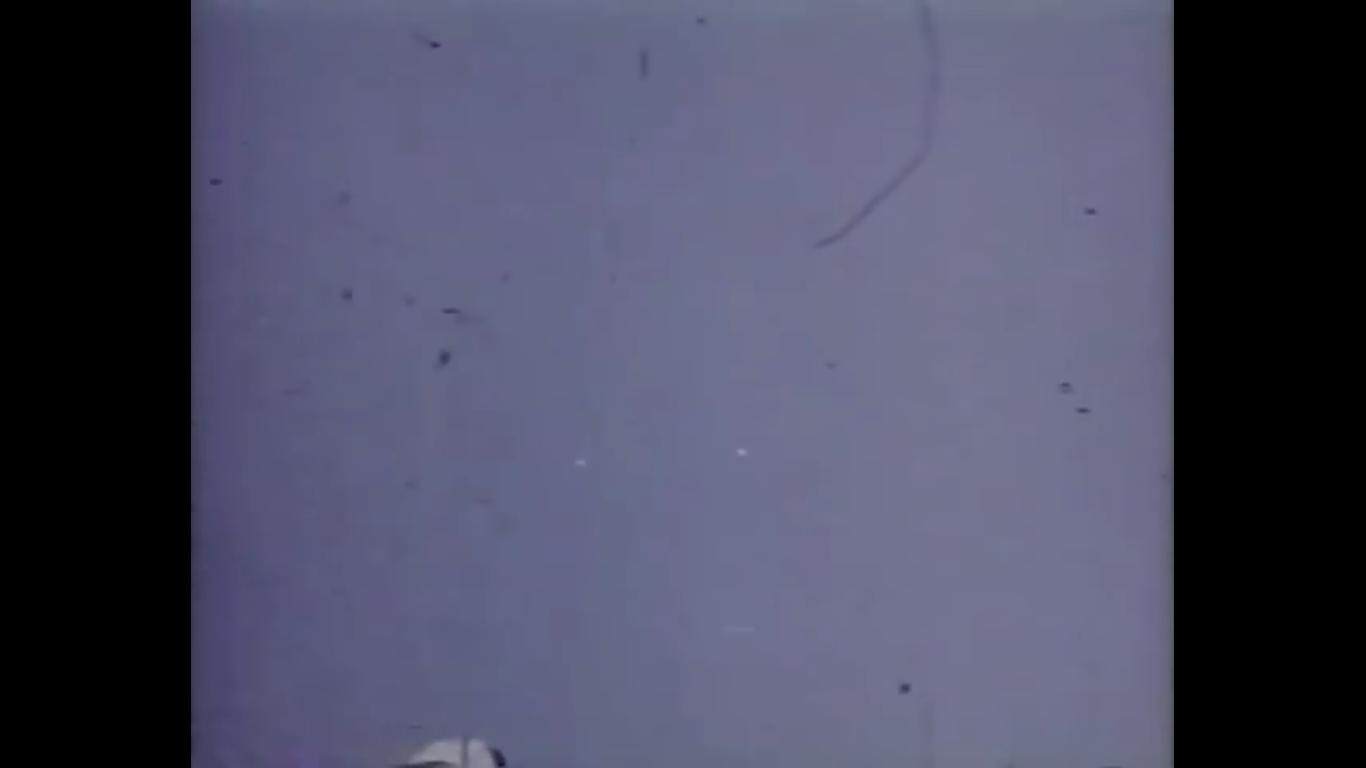
Nicholas Mariana, manager of a Great Falls, Montana minor-league baseball
team, shot about 16 seconds of 16mm color film of two silvery discs
crossing the sky over his empty stadium on 15 August 1950 — one of the
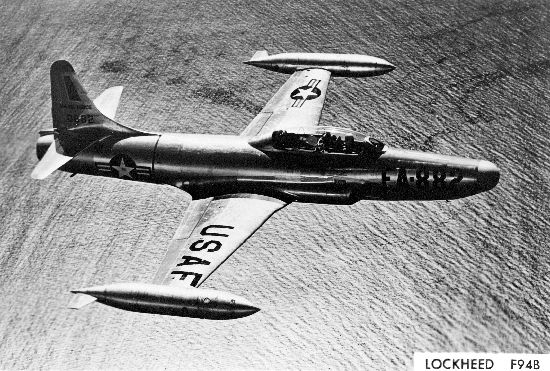
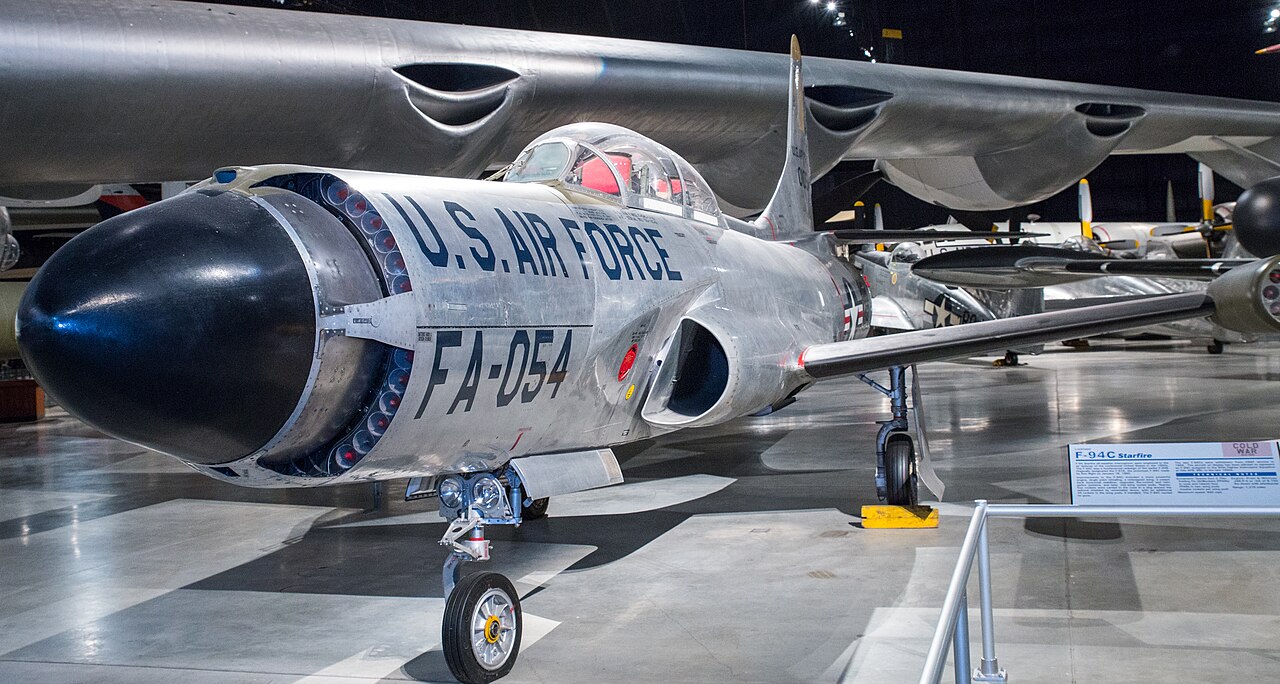
earliest UFO films. The Air Force attributed the objects to two F-94 jets;
Mariana disputed it and claimed the film's clearest opening frames were
removed before it was returned to him.
The Mariana Film anchors the photographic-evidence thread at its earliest
point and adds a distinctive twist to the authentication problem: a
chain-of-custody dispute. The film exists, was studied by the Air Force,
the Robertson Panel, and the Condon Committee, and shows two bright moving
objects — but its evidentiary value turns on two contested questions:
whether the objects were merely sunlit F-94 interceptors, and whether the
government altered the film. It is the corpus's reference case for
custody-based doubt, the film-era complement to Trindade's hoax-history
doubt and McMinnville's geometry doubt.
Timeline
1950-08-15T11:30-0700_approx
Nicholas Mariana, general manager of the Great Falls 'Selectrics'
(Pioneer League), is at the empty Legion Park stadium with his
secretary Virginia Raunig when he sees two silvery, disc-shaped objects
moving across the sky from the southeast. He retrieves his 16mm Revere
movie camera from his car and films roughly 16 seconds of Kodachrome.
witnesses: Nicholas Mariana · Virginia Raunig (secretary; later signed a confirming statement)
primary source: Mariana's account; Raunig statement
1950-08-15_after
Mariana develops the film and shows it locally. The objects appear as
two bright points of light moving in tandem; Mariana maintains they
were structured discs, with no wings, tails, or trails visible.
primary source: the surviving film; local press
1950-10
A copy of the film is provided to the U.S. Air Force. Air Materiel
Command at Wright Field analyzes it and concludes the objects were two
F-94 Starfire jet interceptors known to be in the area returning to the
adjacent Malmstrom AFB, the brightness being sunlight glinting off the
fuselages.
primary source: USAF / Wright Field analysis
1950-onward
Mariana disputes the F-94 attribution: the objects showed no wings or
tails, moved in a manner he found inconsistent with the jets, and the
timing did not match. He further claims that when the Air Force returned
his film, roughly the first 30+ frames — the clearest footage, showing
the objects' disc shape and a notch/rotation — had been removed.
witnesses: Nicholas Mariana (chain-of-custody claim)
primary source: Mariana's repeated public statements; case literature
1953-01
The CIA-convened Robertson Panel reviews the Mariana film (and the 1952
Tremonton, Utah film) among its case material. The panel treats the
objects as probable aircraft reflections and does not find the films
evidence of anything exotic.
primary source: Durant Report (Robertson Panel), January 1953
1968
The Condon Committee re-examines the film. Its analysis is mixed: it
cannot definitively confirm the F-94 explanation nor establish the
objects as extraordinary, leaving the case formally unresolved. Blue
Book's handling had likewise left it classified 'unidentified' at points.
primary source: Scientific Study of Unidentified Flying Objects, 1968
Named personnel
- Nicholas Mariana — General manager, Great Falls 'Selectrics' baseball club; the filmer rank at time: · later: Lifelong proponent of the film's authenticity and of the missing-frames claim primary witness to: the two objects and the filming; the chain-of-custody dispute
- Virginia Raunig — Mariana's secretary; second witness rank at time: primary witness to: the two objects (provided a confirming signed statement)
- USAF Air Materiel Command (Wright Field analysts) — Official film analysts rank at time: role: Produced the F-94-interceptor attribution Mariana disputed
- Robertson Panel / Condon Committee — Successive official reviews rank at time: role: Treated the film as probable aircraft (1953) and left it formally unresolved (1968)
Sensor record
- 16mm Revere movie camera (Kodachrome color film) on Nicholas Mariana, Legion Park ~16 seconds of two bright moving objects — the case's entire evidentiary basis documentation: the surviving film (minus the disputed opening frames)
- Photographic / motion analysis on USAF, Robertson Panel, Condon Committee brightness, motion, and apparent shape — contested between 'sunlit jets' and 'discs' documentation: Wright Field analysis; Durant Report; Condon Report
Object — reported
shape
two bright silvery points on the surviving film; Mariana described structured discs with no wings, tails, or trails
size
indeterminate from the film
surface features
bright/reflective; Mariana reported a notch or rotation in the removed clearer frames
observed behaviors
- two objects crossing the sky in tandem from the southeast
- steady, fairly rapid motion with no visible control surfaces or exhaust (per Mariana)
Theories that invoke this case (3)
The literal reading IF the objects are not the F-94s: two structured
discs filmed in daylight in 1950, with the most revealing frames
allegedly removed by the government.
The cautious reading: two genuinely-filmed objects of undetermined
nature, treated as a film-forensics problem.
The institutional-handling reading, central here: the F-94 attribution
and the missing-frames claim make Mariana a study in custody, official
explanation, and alleged evidence-tampering.
Theories that do NOT invoke this case — and why
the case rests on a physical film artifact and its authentication, not on mass perception
no perceptual phenomenology; a photographic-object claim
no creature element
no time-displacement narrative
Conventional explanations advanced — and their status
Two F-94 Starfire jet interceptors, sunlight glinting off the fuselages
proponents: USAF / Wright Field · skeptics
The official explanation and the leading skeptical account: two F-94s were reportedly in the area returning to Malmstrom, and bright reflective points on distant jets can read as discs on 1950 film. The corpus weighs it heavily while noting Mariana's objections (no wings/tails, motion, timing) were never fully reconciled, and that the Condon re-analysis did not confirm it outright.
The missing opening frames are an artifact of handling, not removal
proponents: skeptics of the tampering claim
Plausible: early frames can be lost to splicing, projection wear, or repeated copying. The corpus treats the missing-frames question as unresolved — neither a demonstrated cover-up nor cleanly innocent.
Birds, balloons, or other mundane objects
proponents: general skeptical position
Weak relative to the F-94 account, which is the specific and documented alternative; the realistic contest is jets-versus-discs, not birds.
Where further investigation has leverage
- Modern frame-by-frame forensic analysis of the surviving film (motion, brightness, any shape cues) against the known F-94 flight profile for that date and time.
- Documentary resolution of the missing-frames claim: whether Air Force records show the film was cut, or whether the loss is consistent with ordinary handling.
- Astronomical/positional reconstruction to test whether two F-94s could have produced the filmed track at 11:30 on 15 August 1950.
Corpus status
under-corroborated
The corpus's earliest film case, resting on ~16 seconds of 1950 Kodachrome
and two contested questions: whether the objects were sunlit F-94
interceptors, and whether the government removed the clearest frames. The
F-94 attribution is the strong conventional account but was never fully
reconciled with the filmer's objections, and the missing-frames claim is
neither proven nor cleanly dismissed. The corpus holds it under-corroborated
and uses it, with Trindade and McMinnville, as a reference case for the
limits of film evidence — here, the limit imposed by chain of custody.
status history (1)
2026-06-09 · unannotated → under-corroborated
— annotated before the 2026-06-09 sweep; history begins at seeding
Threads of evidence
This case is one node in the connections that run across the record. It appears in 1 thread: