The Sturrock Panel apparatus-event
The Sturrock Panel was a privately funded scientific workshop convened by
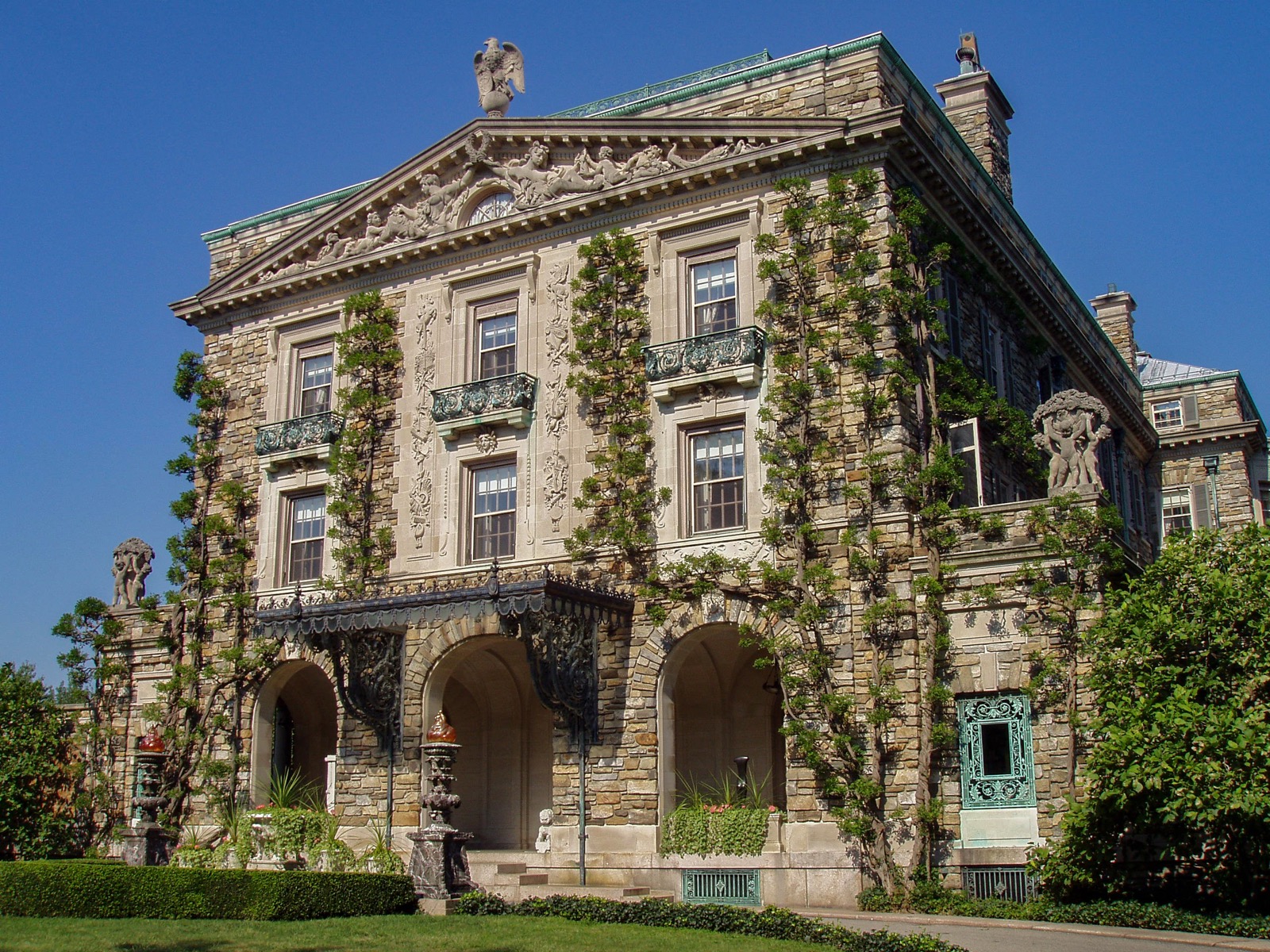
Stanford astrophysicist Peter A. Sturrock at the Pocantico Conference
Center, 29 September - 4 October 1997, funded by Laurance Rockefeller. A
panel of physical scientists reviewed physical-evidence UFO cases
presented by experienced investigators and concluded (report mid-1998)
that some cases involve physical evidence deserving scientific study,
while finding no convincing evidence of extraterrestrial intelligence or
any violation of physical law.
The Sturrock Panel was the first independent scientific review of UFO
physical evidence in about thirty years — since the 1968 Condon Report —
and it reached a markedly more open conclusion: the topic merits study.
Coverage in Science, the Washington Post, and elsewhere made it a
respectability milestone, while its careful refusal to endorse the
extraterrestrial hypothesis makes it the rigorous, modest counterpoint to
the ETH-forward COMETA report published the next year. It is the corpus's
model of how to take the subject seriously without overclaiming.
Timeline
1993-1996
The broader "Rockefeller Initiative" — Laurance Rockefeller's effort to get UFO
data scientifically examined and declassified, including outreach to the
Clinton administration — sets the stage and the funding for an independent
scientific review.
primary source: Wikipedia; UFO Evidence
1997-09-29
The workshop convenes at the Pocantico Conference Center, Tarrytown,
NY (29 Sept - 4 Oct), funded by Laurance Rockefeller and run through the
Society for Scientific Exploration. A panel of physical scientists hears
experienced investigators present physical-evidence cases.
primary source: ufoevidence.org (doc535); Semantic Scholar
1998-07-01
The findings are released, with coverage in the Washington Post
("Panel Urges Study of UFO Reports," 29 June 1998) and Science/AAAS
("UFOs Get a Respectful Hearing"). The panel concludes some reports are
accompanied by physical evidence deserving serious scientific study, but
finds no convincing evidence of extraterrestrial intelligence and no
violation of natural laws.
primary source: ScienceDaily; Washington Post; Science (1998)
1998-1999
The work is published in the Journal of Scientific Exploration, Vol. 12,
and expanded into Sturrock's book "The UFO Enigma: A New Review of the
Physical Evidence" (1999).
primary source: Journal of Scientific Exploration; Sturrock (1999)
Named personnel
- Peter A. Sturrock — Director; Stanford applied-physics professor; founder and president (1981-2001) of the Society for Scientific Exploration rank at time: role: the panel's convener and scientific lead
- Von R. Eshleman — Stanford EE professor emeritus; panel co-chair rank at time: role: co-leadership of the review
- Laurance S. Rockefeller — Philanthropist who funded the workshop rank at time: role: the patron (the same figure behind 1990s UFO-study lobbying — relevant context, not disqualifying)
- The review panel — Mainstream physical scientists including Thomas Holzer (NCAR), Robert Jahn (Princeton), David Pritchard (MIT), Yervant Terzian (Cornell), and Charles Tolbert (UVA); Hal Puthoff also participated rank at time: role: the deciding scientists, weighted toward mainstream physics
- Presenting investigators (incl. Jacques Vallee, Illobrand von Ludwiger) — Experienced UFO investigators who presented physical-evidence cases — they presented, they were not the deciding panel rank at time: role: the source of the cases reviewed
Theories that invoke this case (4)
The Sturrock Panel is the cleanest institutional expression of the
crypto-physicalist reading: that some cases leave real physical evidence
worth scientific study, without any claim that the cause is exotic or
extraterrestrial — a demand for instrumentation, not a verdict.
Its call for serious institutional study, the first such since Condon,
is cited as a precedent for the modern era — the 2021 ODNI assessments,
AARO, and academic programs like Galileo.
The panel reviewed a heterogeneous set of evidence categories
(photographic, radar, vehicle interference, ground traces, physiological
effects) without assuming a single cause — the empirical, plural stance.
As the deliberate independent answer to Condon, Sturrock is the
scientific-establishment apparatus reopening a question officialdom had retired
— methodology used to reverse a policy verdict.
Theories that do NOT invoke this case — and why
the panel explicitly found NO convincing evidence of extraterrestrial intelligence — its restraint is the point
a physical-evidence review, not a creature record
the panel's focus was physical evidence, not the social dynamics of reporting
a privately-funded independent academic review, not a state perception-management operation
Where further investigation has leverage
- Exactly what the panel asked for: cases with multiple independent witnesses AND multiple independent types of physical evidence, analyzed under normal peer review.
- Standing institutional or university programs with funding to overcome the ridicule barrier — a need partly addressed decades later by AARO and academic UAP programs (e.g., the Galileo Project).
- Replication and peer-reviewed lab analysis of the physical-trace cases the panel found most suggestive.
- Sturrock's own astronomer survey data, as a measure of how much scientific willingness to study the topic actually exists.
- A direct methodological comparison with the Condon Report on the same kinds of evidence — the documented reversal of 'no further study.'
Corpus status
apparatus-event
A modest but consequential workshop: a few days, a handful of physical-
evidence cases, privately funded, not a standing study — and its strength is
precisely its restraint. It concluded some UFO reports are accompanied by
physical evidence deserving serious scientific study, while explicitly
finding no convincing evidence of extraterrestrial intelligence and no
violation of physical law. The first independent scientific review since
Condon, reaching the opposite recommendation (study, don't bury), and the
cautious scientific counterpoint to the ETH-forward COMETA report. The
corpus's model of taking the subject seriously without overclaiming.
status history (1)
2026-06-13 · new → apparatus-event
— seeded 2026-06-13 — spine-widening pass (Special Report 14 / Sturrock / GEIPAN)
Threads of evidence
This case is one node in the connections that run across the record. It appears in 1 thread: