InvestigationGEPAN → SEPRA → GEIPAN (1977–present, France)
aka GEPAN → SEPRA → GEIPAN (1977–present, France)
The world's only continuously-operating government UFO-investigation office housed inside a civilian space agency: a unit of France's CNES in Toulouse, running since 1977, which classifies cases on a four-level scale and in 2007 became the first such body to publish its entire archive online.
status history (1)
Notable & intriguing
-
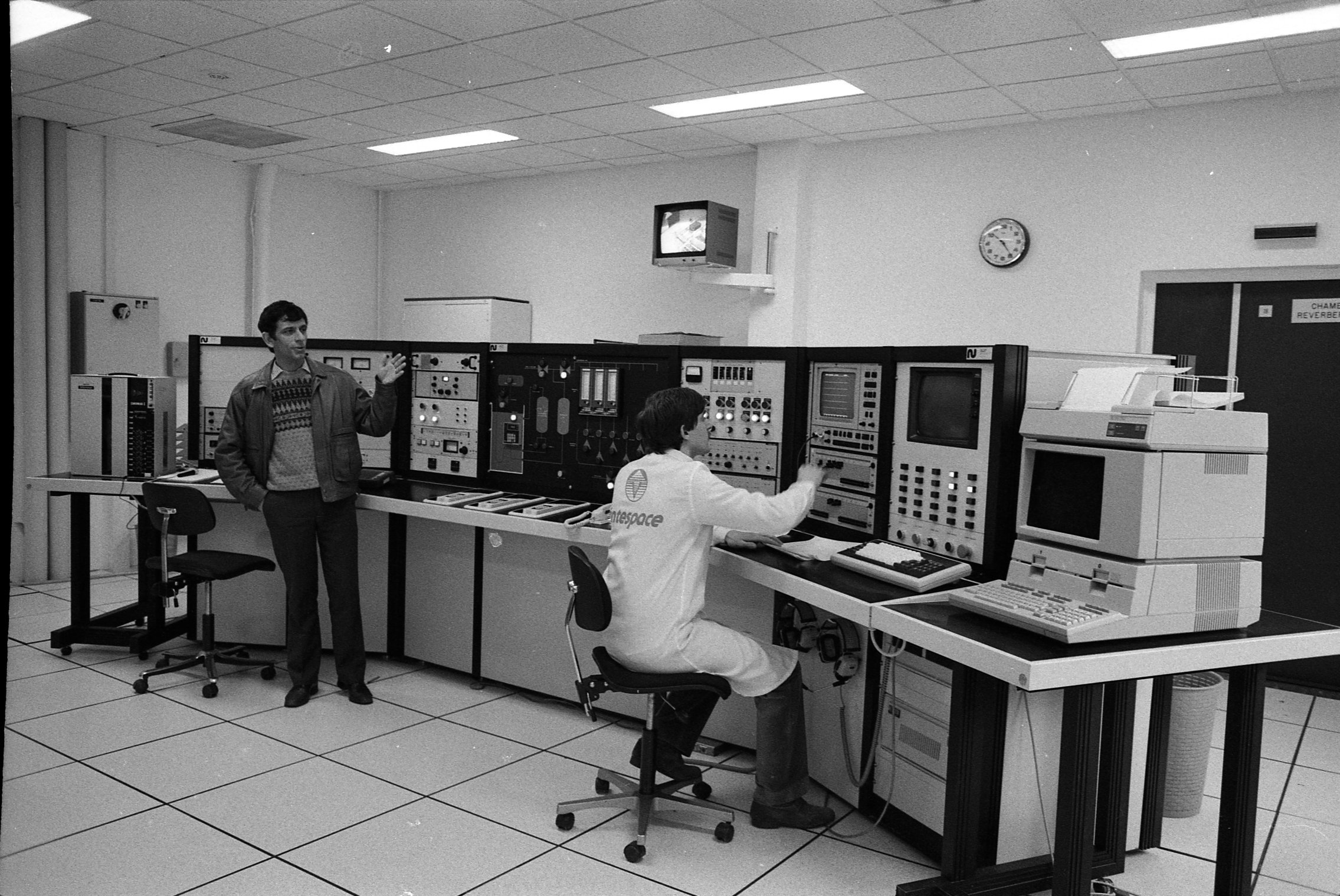
GEIPAN and its predecessors (GEPAN, 1977; SEPRA, 1988) constitute the only government UFO-investigation office in the world to operate continuously inside a civilian space agency, with an unbroken institutional and documentary lineage from 1977 to the present.
CNES/GEIPAN institutional history; en.wikipedia.org/wiki/GEIPAN
-
GEIPAN classifies cases as PAN A/B/C/D, with PAN D meaning ‘unexplained after thorough investigation’; across its archive of several thousand cases, roughly 3% are classified PAN D — a residual comparable in scale to Project Blue Book’s and Special Report 14’s.
GEIPAN public case statistics, CNES; classification methodology published at geipan.fr
-
In March 2007 GEIPAN became the first government body anywhere to publish its complete UFO case archive online, a deliberate transparency policy that predates the U.S. ODNI and AARO disclosures by more than a decade.
CNES press release, March 2007; GEIPAN online archive launch
Public-record items already documented about this subject. Folklore is labelled. Sources cited where the specificity warrants it.
More — investigation
- AARO (2022–present)
- AAWSAP / AATIP (2007–2012)
- Airborne Object Identification and Management Synchronization Group / AOIMSG (November 2021 – July 2022)
- COMETA Report (1999, France)
- Condon Committee Report (1968)
- NASA UAP Independent Study Team final report (14 September 2023)
- Project Blue Book Special Report No. 14 (1955)
- Project Condign — the UK MoD secret UAP study (1997-2000, released 2006)
- Project GRUDGE (February 1949 – March 1952)
- Project SIGN (July 1947 – February 1949)
- Project Sign → Grudge → Blue Book (1947–1969)
- Project Stargate (1972–1995)
- Robertson Panel (14–17 January 1953)
- Sturrock Panel (29 September – 4 October 1998)
- The Pentacle Memorandum (9 January 1953)