IncidentLakenheath–Bentwaters Incident (13–14 August 1956)
aka Lakenheath–Bentwaters Incident (13–14 August 1956)
On the night of 13–14 August 1956, multiple ground-radar stations and airborne RAF interceptors tracked unidentified objects over USAF/RAF bases at Bentwaters and Lakenheath in eastern England; the RAF declassified the operational report in stages from the 1960s onward. One of the cleanest multi-radar simultaneous-tracking cases on the public record.
status history (2)
Notable & intriguing
-
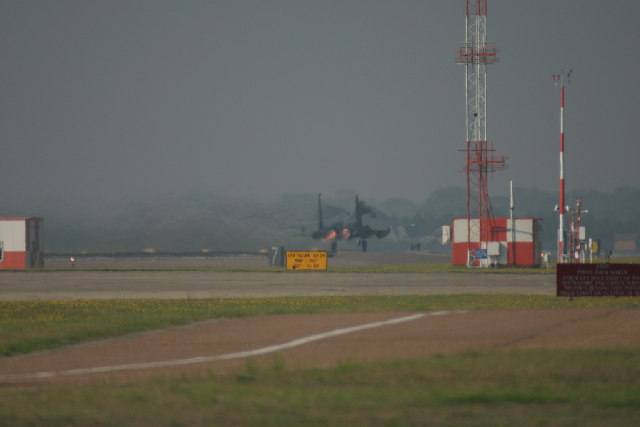
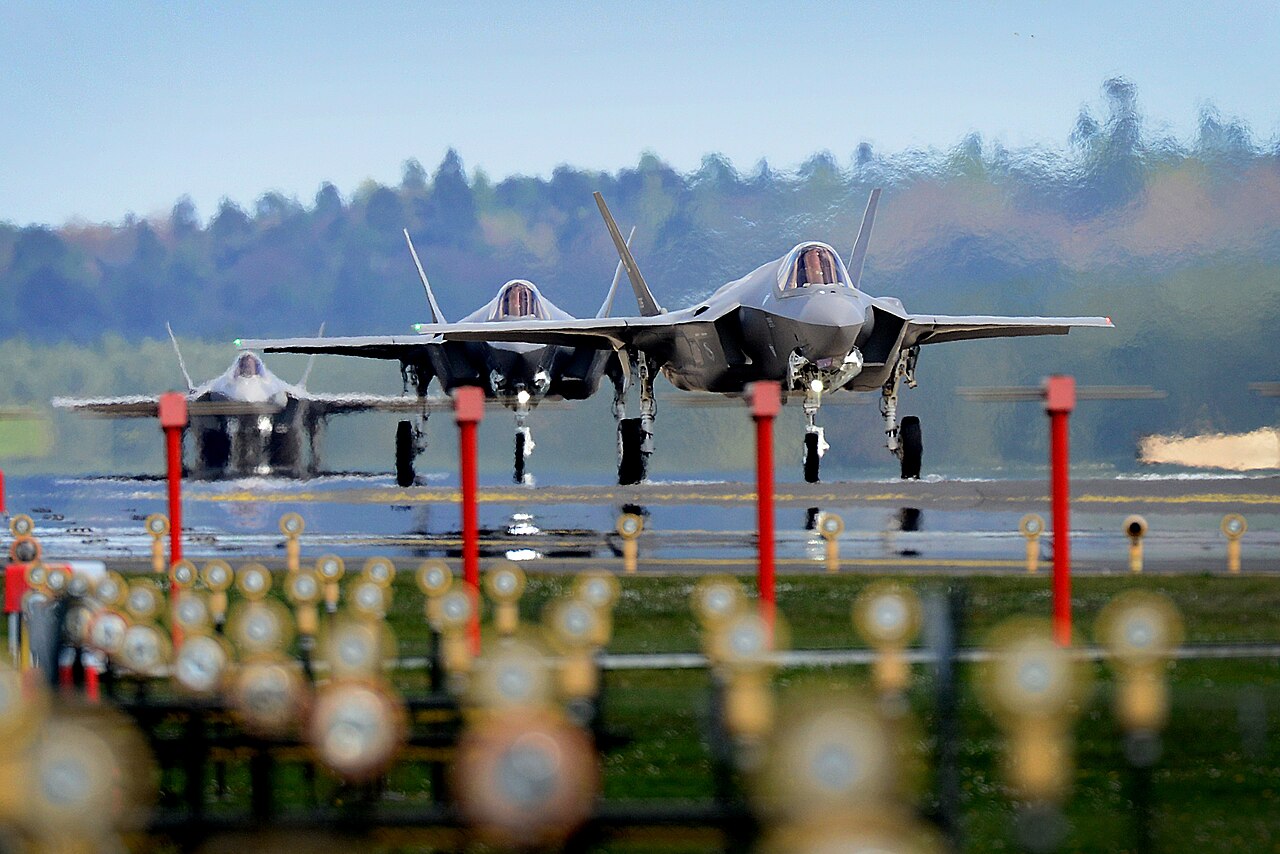
Five separate radar systems independently tracked unidentified objects over RAF Bentwaters and RAF Lakenheath on the night of 13–14 August 1956: Bentwaters GCA, Lakenheath GCA, Lakenheath RAPCON, and two airborne de Havilland Venom NF.2 interceptors. The Bentwaters tower also held the object visually.
Project Blue Book case 1538, 1956; RAF Operational Record Book, AIR 1, declassified 2008; The Condon Report, 1968, Section IV, Case 2
-
The Condon Committee’s investigator on the case, atmospheric physicist Gordon David Thayer, concluded in the 1968 report: ‘In summary, this is the most puzzling and unusual case in the radar-visual files. The apparently rational, intelligent behavior of the UFO suggests a mechanical device of unknown origin as the most probable explanation of this sighting.’ The probability of a genuine UAP was assessed by Thayer as ‘fairly high.’
Gordon D. Thayer, in Final Report of the Scientific Study of Unidentified Flying Objects (the Condon Report), University of Colorado, 1968, Section IV, Case 2
-
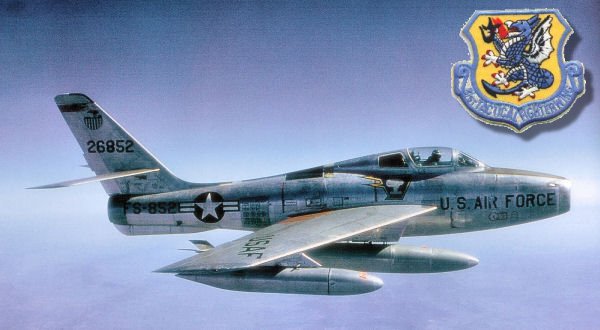
RAF Lakenheath was at the time a USAF B-47 strategic bomber base hosting nuclear-capable Strategic Air Command aircraft; the encounter occurred during a sensitive operational period at the height of the early Cold War nuclear standoff.
USAF Historical Research Agency records; RAF Lakenheath Operational Record, August 1956
Public-record items already documented about this subject. Folklore is labelled. Sources cited where the specificity warrants it.
More — incident
- "Rods" / "Skyfish" (the resolved photographic artifact)
- "Snippy" the Horse (September 1967)
- 'Oumuamua (1I/2017 U1)
- Aguadilla Incident (25 April 2013, Puerto Rico)
- Allagash Abduction (August 1976, Maine)
- Ariel School, Zimbabwe (16 September 1994)
- Battle of Los Angeles (24–25 February 1942)
- Betty and Barney Hill Abduction (19-20 September 1961)
- Billy Meier & the Plejaren Contacts (1975-)
- Bob Lazar & the S-4 / Area 51 Claims (1989)
- Cash–Landrum Incident (29 December 1980)
- Cerro Uritorco / Huella del Pajarillo — Capilla del Monte, Argentina (9 January 1986)
- Colares / Operacao Prato (1977-1978, Brazil)
- Coyne / Mansfield Army Helicopter Incident (18 October 1973)
- Crop Circles & the Bower-Chorley Hoax (1978-1991)
- Falcon Lake Incident (20 May 1967)
- Father Gill / Boianai Sighting (26-27 June 1959, Papua New Guinea)
- George Adamski & the Contactee Movement (1952-1965)
- Ghost Rockets (1946)
- Gimbal Video (January 2015)
- GoFast Video (2015)
- Heaven's Gate (March 1997)
- Japan Airlines Flight 1628 (17 November 1986)
- Jellyfish UAP (2018, Iraq)